

Searching for a “happy hour close to me” that actually understands how sake and sushi work together can be trickier than it sounds. Plenty of spots pour a glass of sake or plate some rolls, but fewer places take the time to explain how texture, temperature, and flavor intensity affect the experience. At Okatshe, happy hour is designed around that idea: give guests approachable ways to explore Japanese flavors without needing a sommelier’s vocabulary to enjoy it.
This guide walks through the basics of sake styles, how they relate to different sushi and small-plate options, and practical tips for building a balanced happy hour plate. Whether you’re new to sake or simply curious about why certain pairings feel more harmonious than others, understanding a few core principles can make your next visit more enjoyable. We’ll also cover what to expect from a typical happy hour setting, how seating and timing usually work, and answer some of the most common questions people ask before heading out for an evening of sake and sushi.
Key Takeaways
- Sake styles vary widely in aroma, sweetness, and body, which affects how well they complement different sushi and small plates.
- Lighter, drier sakes often pair well with delicate raw fish, while fuller-bodied or slightly warmer sakes can stand up to richer, cooked dishes.
- Happy hour is a practical way to sample a range of small plates and drink styles without committing to a full multi-course meal.
- Understanding basic sake categories (such as junmai, ginjo, and nigori) helps you make more confident ordering decisions.
- Temperature matters: some sakes are traditionally served chilled, while others are enjoyable warmed, depending on style and season.
- Reviewing a current menu ahead of your visit can help you plan a balanced selection of rolls, nigiri, and shared plates.
- Local happy hour searches are most useful when paired with a bit of pairing knowledge, so you know what to ask for once you arrive.
Check Out Our Menu!
Why Happy Hour Is a Good Starting Point for Sake and Sushi
Happy hour naturally lends itself to sampling. Instead of committing to one entrée, guests can order a few smaller portions and try more than one style of sake alongside them. This format is especially useful for anyone still building familiarity with Japanese cuisine, since it lowers the pressure of choosing “the right” pairing on the first try. Over the course of an evening, you can compare how a crisp, light sake feels next to a piece of tuna nigiri versus how it feels next to a warm, savory dish.
For people typing “happy hour close to me” into a search bar, the goal is usually convenience combined with a genuine experience. A well-run happy hour should feel relaxed, not rushed, and should give you enough variety to explore flavors thoughtfully rather than just filling a table with random items.
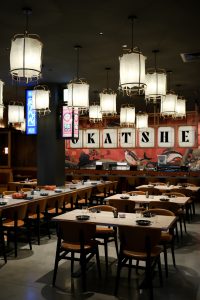
Understanding Sake Basics
Common Sake Categories
Sake is generally categorized by how much the rice has been polished and whether additional alcohol has been added during production. Junmai sake is made purely from rice, water, koji, and yeast, and tends to have a fuller, more rice-forward profile. Ginjo and daiginjo styles are made with more highly polished rice, often resulting in lighter, more aromatic sakes. Nigori is unfiltered and cloudy, giving it a creamier texture and slightly sweeter taste. Each of these categories behaves differently on the palate, which is part of why pairing decisions can shift depending on the dish.
Temperature and Serving Style
Not all sake is meant to be served the same way. Some styles are traditionally enjoyed chilled to highlight delicate aromas, while others are warmed to bring out deeper, earthier notes. Warming can soften certain sharper flavors, while chilling tends to keep things crisp and refreshing. If you’re unsure which serving temperature suits a particular bottle, it’s reasonable to ask what’s typically recommended for that style.
How Sake and Sushi Pairings Generally Work
Pairing sake with sushi is less about strict rules and more about balancing intensity. Delicate, subtly flavored fish like flounder or yellowtail often pairs comfortably with lighter, drier sakes that won’t overpower the fish’s natural taste. Richer or fattier cuts, such as salmon belly, can hold their own against a slightly fuller-bodied sake. Vinegared rice, a defining component of sushi, also interacts with sake’s acidity, so a sake with balanced acidity can help tie the flavors of a roll together rather than compete with them.
For a deeper, more technical look at how professionals approach these pairings, the Japan Sake and Shochu Makers Association guide to sake and food pairing offers detailed insight into how sake components interact with different food textures and flavors, which can be a helpful reference if you want to go beyond the basics.
Pairing With Cooked and Savory Small Plates
Happy hour menus often include more than raw fish. Items like tempura, grilled skewers, or miso-based dishes tend to pair well with sakes that have a bit more weight or warmth, since these dishes carry stronger umami and sometimes a touch of char or smokiness. A sake that feels too light next to a heavier dish may get lost, while one that’s too heavy can overwhelm something delicate.
| Sake Style | General Flavor Profile | Works Well With |
|---|---|---|
| Junmai | Rich, rice-forward, savory | Grilled or savory cooked dishes |
| Ginjo | Light, aromatic, floral | Delicate raw fish, lighter nigiri |
| Daiginjo | Very refined, fragrant | Subtle, clean-tasting dishes |
| Nigori | Creamy, slightly sweet | Spicy rolls, richer textures |
| Honjozo | Smooth, light-bodied | Everyday pairing, versatile |
Building a Balanced Happy Hour Plate
One practical approach is to think of happy hour as a small tasting journey. Start with something light, like a simple nigiri or a cucumber-based roll, before moving into richer or spicier items. This lets your palate adjust gradually instead of jumping straight into bold flavors. Pairing your sake choices in the same progression, light to fuller-bodied, can make the transition between dishes feel more intentional.
Sample Pairing Ideas
The table below offers a few general pairing ideas that can serve as a starting point. These aren’t strict rules, but they reflect common flavor-balance principles used in Japanese dining.
| Dish Type | Suggested Sake Style | Why It Works |
|---|---|---|
| Delicate white fish nigiri | Ginjo or Daiginjo | Light aromatics won’t overpower subtle fish flavor |
| Salmon or fattier cuts | Junmai | Fuller body matches richness of the fish |
| Spicy tuna or spicy rolls | Nigori | Creamy sweetness balances heat |
| Tempura or fried items | Honjozo | Smoothness cuts through richness without competing |
| Miso-glazed or grilled dishes | Warmed Junmai | Warmth complements umami and char |
Planning Your Visit
If you’re deciding what to order before you arrive, it can help to look over the current selection of rolls, nigiri, and shared plates. Okatshe’s sushi and small plates menu outlines the range of options typically available, which can make it easier to plan a balanced sequence of dishes for your happy hour visit. Reviewing options ahead of time also helps if you’re dining with a group, since everyone can pick a few items to share rather than ordering identical plates.
Timing and Atmosphere
Happy hour timing can vary by day of the week, so it’s worth checking current hours before heading out. Many guests find that arriving earlier in the happy hour window allows for a more relaxed pace and easier seating, especially if you plan to sample several dishes and sake styles over the course of the visit.
Conclusion
Finding a satisfying “happy hour close to me” experience is about more than convenience, it’s about discovering how thoughtful pairings can elevate simple dishes into something memorable. By understanding a few sake basics and how they relate to different sushi and small-plate flavors, you can approach your next visit with more confidence and curiosity. Whether you gravitate toward light, aromatic sakes or richer, warmer styles, there’s a pairing approach that can enhance the flavors on your plate. Take a little time to explore, ask questions, and enjoy the process of discovering what works best for your palate.
What should I know before trying sake for the first time?
If you’re new to sake, it helps to start with a lighter style, such as a ginjo or honjozo, since these tend to be smoother and less intense. Pay attention to whether it’s served chilled or warm, as temperature can significantly change the tasting experience. Ordering a small pour alongside a simple dish, like plain nigiri, gives you a clear sense of the sake’s flavor without other strong tastes competing for attention.
Is happy hour a good time to try new sushi items?
Yes, happy hour is often a practical time to try new items because portions are typically smaller and more varied than a full entrée. This makes it easier to sample multiple rolls or nigiri styles in one visit without over-ordering. It’s a low-pressure way to explore flavors you might not otherwise choose during a standard dinner service.
What’s the difference between junmai and ginjo sake?
Junmai sake is made using only rice, water, koji, and yeast, resulting in a fuller, more rice-forward flavor. Ginjo sake uses more highly polished rice and is typically brewed to be lighter and more aromatic. Because of these differences, junmai often pairs well with richer or cooked dishes, while ginjo tends to complement lighter, more delicate flavors like certain raw fish.
Should sake be served warm or cold?
It depends on the style. Lighter, more aromatic sakes such as ginjo or daiginjo are usually served chilled to preserve their delicate aromas. Fuller-bodied styles like junmai can sometimes be warmed, which brings out deeper, earthier notes. If you’re unsure, it’s reasonable to ask what serving temperature is generally recommended for the specific sake you’re considering.
How do I pair sake with spicy sushi rolls?
Spicy rolls often pair well with slightly sweeter or creamier sake styles, such as nigori, because the sweetness can help balance the heat rather than intensify it. Very light, dry sakes may not offer enough contrast against strong spice, so a fuller or slightly sweeter option is generally a more comfortable match for spicier dishes.
Can I order both cooked and raw dishes during happy hour?
Yes, most happy hour menus include a mix of raw sushi items and cooked small plates, such as tempura or grilled skewers. Ordering a combination allows you to experience a wider range of flavors and textures in one sitting, and it also gives you the opportunity to test how different sake styles interact with both raw and cooked options.
What is nigori sake and how is it different from clear sake?
Nigori sake is unfiltered, which gives it a cloudy appearance and a creamier, slightly sweeter taste compared to clear, filtered sake. This texture makes it a versatile option for pairing with richer or spicier dishes, since its sweetness can help balance bolder flavors on the plate.
How can I plan a balanced happy hour order for a group?
A helpful approach is to order a mix of light and rich dishes, then choose sake styles that complement each course. Starting with lighter items and lighter sake, then moving toward richer dishes and fuller-bodied sake, allows everyone at the table to compare flavors gradually. Reviewing the menu beforehand can also make it easier to select a variety of shareable dishes.